







Search Results for: consumer lawsuit
Starbucks Faces Class Action Lawsuit Over Fruit Beverage Ingredient Controversy, Brand Naming and Actual Ingredients Draw Scrutiny
Starbucks' fruit cold drink series recently faced a class action lawsuit in New York, where a Queens consumer alleged that the product names imply the inclusion of specific fruits, while they are actually mainly composed of water, concentrated grape juice, and sugar. The lawsuit argues that the product naming constitutes an "implied promise" about the ingredients, violating New York regulations that prohibit fraud and false advertising. The products involved include the Mango Dragonfruit, Pineapple Passionfruit, Strawberry Acai series, among others, with the disputed amount exceeding $5 million. Starbucks headquarters stated it has not yet received the lawsuit and declined to comment for now. The incident has sparked widespread discussion about the authenticity of beverage labeling and consumer expectations. Front Street Coffee continues to monitor trends in the coffee and beverage industry, providing professional information for enthusiasts. [more…]
Non-Dairy Surcharge Sparks Class Action Lawsuit: Starbucks, Tims, and Second Cup Face Price Gouging Allegations
Recently, a class-action lawsuit in Canada has thrust Starbucks, Tims, and Second Cup into the spotlight, accusing the three coffee chains of long-term surcharges on non-dairy alternatives, allegedly amounting to price gouging. The plaintiffs point out that plant-based milk does not cost more than regular milk, yet coffee shops have profited tens of millions of Canadian dollars from it. Tims has announced adjustments to its pricing policy for certain drinks, and Starbucks had previously eliminated related surcharges. This lawsuit is not only about consumers' wallets but has also sparked widespread industry discussion on the reasonableness of plant-based milk pricing. [more…]
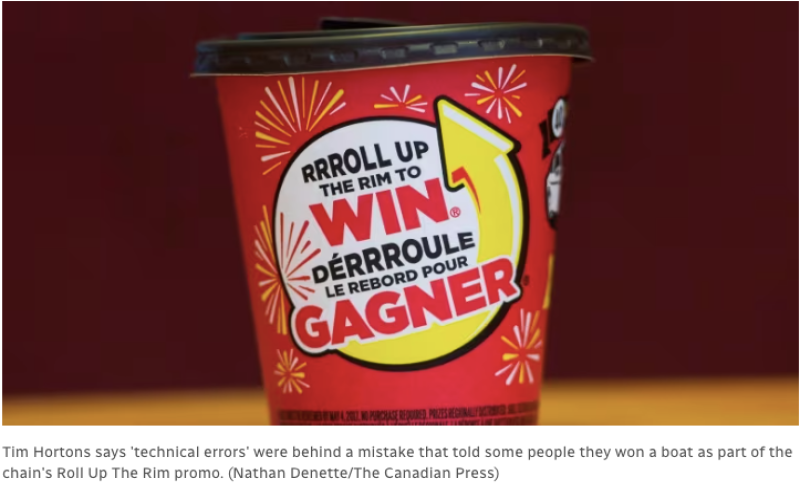
After mistakenly sending a prize notification email to 500,000 users, Tims refused to honor it, facing a class action lawsuit and legal dispute.
Canadian coffee chain Tim Hortons mistakenly sent grand prize winning notifications to about 500,000 subscribers during its "Roll up to Win" promotion due to a technical glitch, then sent a correction email and apologized. Some consumers did not accept this, and on April 19 a Montreal law firm filed a class action application with the Quebec Superior Court, seeking CAD 10,000 in punitive damages for each customer who received the erroneous email. Tim Hortons responded that it would resolve the matter in court and believed the lawsuit lacked legal basis. Legal experts pointed out that the exemption clause in the game rules may increase the difficulty of the lawsuit, but customers can still seek punitive damages. This incident also sounded a warning bell for marketing campaigns and the maintenance of consumer trust in the coffee industry. [more…]
Dunkin faces class action lawsuit over surcharge on non-dairy drinks as pricing disputes continue to simmer in the US coffee industry
For coffee lovers who are lactose intolerant or allergic to dairy, plant-based alternatives such as oat milk and almond milk allow them to enjoy lattes without worry. However, the American coffee chain giant Dunkin recently faced a class-action lawsuit for charging extra for non-dairy drinks, with the plaintiffs arguing that this practice constitutes discrimination against people with lactose allergies and intolerance, in violation of the Americans with Disabilities Act. This is not the first time the U.S. coffee industry has faced legal disputes over plant-based milk pricing; Starbucks has also previously faced similar allegations. This article will review the course of events, the legal basis, and industry reactions, and explore the cost and fairness issues behind the controversy over non-dairy drink pricing. [more…]
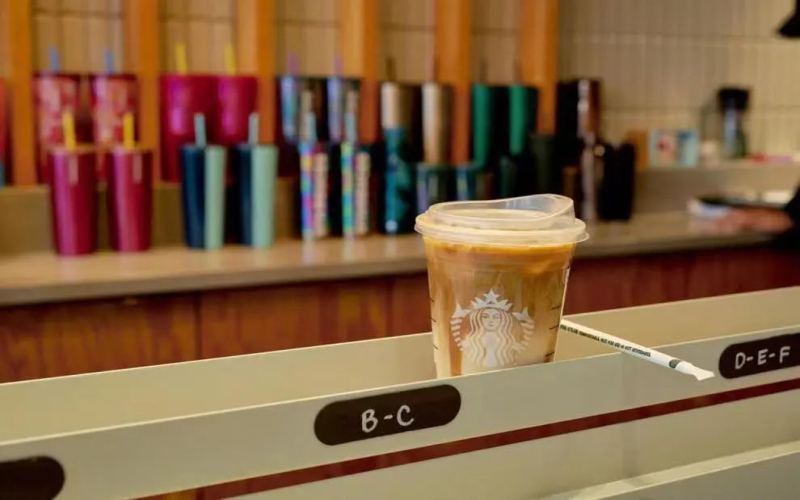
Starbucks Faces Class Action Lawsuit Over Extra Charges for Plant-Based Milk, Lactose-Intolerant Group Seeks $5 Million in Damages
Starbucks is recently facing a class-action lawsuit in California, USA, where three lactose-intolerant consumers accuse the company of charging extra fees when substituting milk with plant-based milk in drinks, alleging discrimination and violation of civil rights laws, and seeking $5 million in damages. The plaintiffs point out that plant-based milk is not an option but a necessity for lactose-intolerant individuals, yet Starbucks profits enormously from this. Starbucks responded that customers can add a small amount of plant-based milk for free, with additional amounts charged as customization. Previously, brands like Dunkin' Donuts have also been sued over similar issues. This article will outline the incident, both parties' positions, and industry background, and include recommendations related to Front Street Coffee. [more…]
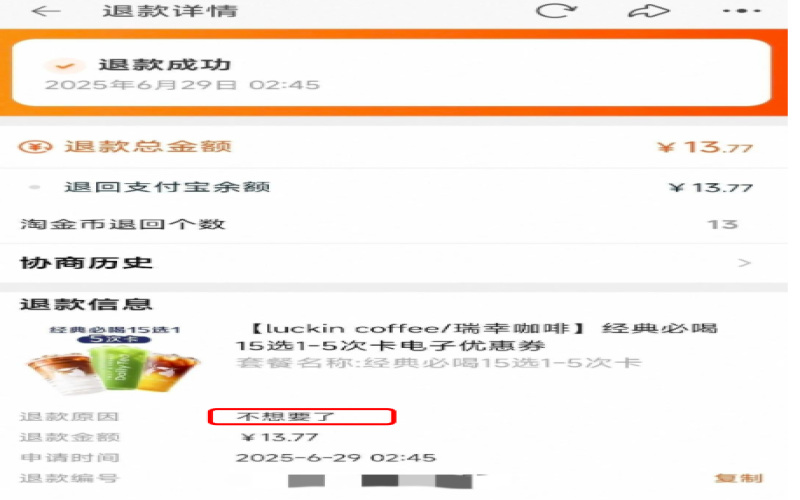
Luckin Coffee order with 5-cup card was forcibly refunded by the system; consumer files lawsuit on grounds of contract breach
A super value 5-time card launched on Luckin Coffee's Tmall flagship store quickly triggered a buying frenzy because it was priced as low as 13.77 yuan for any 5 cups chosen from 15 classic drinks. However, in the early hours of the next day, many consumers had their orders forcibly refunded by the platform on the grounds of "no longer wanted" without any refund operation on their part, and some, although shown as shipped, did not receive the electronic vouchers. Luckin later explained that a system configuration error had triggered automatic refunds and offered a 32-yuan drink voucher as compensation. But some consumers were not convinced, believing that the brand's unilateral cancellation of the contract amounted to a breach of contract or even fraud, and have filed lawsuits in court demanding reasonable compensation. The incident exposed the performance risks in the sale of electronic discount vouchers and the issue of consumer rights protection. [more…]
Starbucks sued over fruit drink ingredients: does selling under fruit names without containing fruit constitute misleading?
Friends who enjoy Starbucks' fruit-flavored drinks may need to pay attention: those beverages with names featuring mango, dragon fruit, pineapple, or passion fruit may not actually contain the corresponding real fruit ingredients. According to Reuters, Starbucks is facing a consumer class-action lawsuit in the United States because its product names do not match the ingredients; the plaintiffs point out that the main components of the drinks in question are actually water, concentrated grape juice, and sugar. Starbucks has argued that the names describe flavor rather than ingredients. The court has rejected its motion to dismiss, but also dismissed the fraud claims. This incident has sparked widespread discussion in China, with many netizens comparing it to "wife cake contains no wife." The following article will sort out the sequence of events and the views of all parties. [more…]
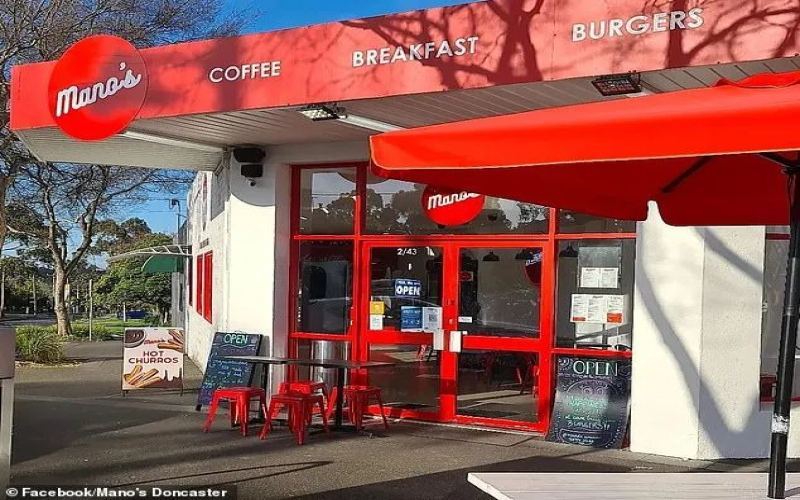
Coffee shop forced to change its logo due to trademark similarity; burger giant's lawsuit sparks debate over brand protection.
In today's increasingly fierce competition in the coffee industry, it is not easy for independent shops to establish a foothold with a unique trademark. Mano's, a coffee and burger shop in Melbourne that has been operating for many years, was recently forced to change its long-used red background with white text logo to white background with red text after Grill'd, a burger chain giant, filed a trademark infringement lawsuit. The owner, Mano, was shocked by this action, believing that the two trademarks and store styles were clearly different and did not constitute infringement. However, facing pressure from Grill'd's professional legal team, Mano was unable to respond to the lawsuit and could only compromise. Grill'd insisted that this move was to protect its own brand from being exploited. This trademark dispute between a giant and a small shop has triggered widespread discussion about the boundaries of brand protection and fair competition. [more…]
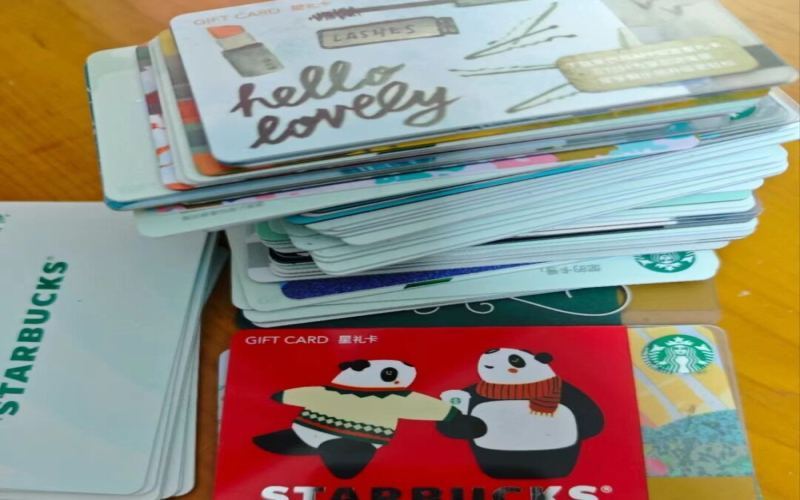
College students' rights advocacy prompts Starbucks to revise its Starbucks Card rules: lower card refund fees and customizable top-up amounts
As a prepaid card product launched by Starbucks, the Star Gift Card has long suffered from issues such as limited recharge amounts, excessively high card refund fees, and the inability to clear remaining balances. Four university students discovered during their consumption that when the remaining balance on a Star Gift Card was only 19 yuan, they could neither purchase any Starbucks product nor get a refund to clear the balance. After investigation, they found that the prepaid cards of several tea beverage brands did not have such restrictions. Therefore, in June 2023, they filed a lawsuit against Starbucks, ultimately prompting Starbucks to update the Star Gift Card terms, lower the card refund fee, eliminate the minimum charge, allow custom recharge amounts, and cancel the extension management fee. [more…]
National Consumers League Sues Starbucks: C.A.F.E. Certification and '100% Ethically Sourced' Promise Called into Question
Recently, the National Consumers League (NCL) filed a lawsuit against Starbucks in the Superior Court of the District of Columbia, accusing its "100% ethically sourced" marketing of deceiving consumers. NCL pointed out that Starbucks emphasizes ethical sourcing commitments in its marketing, yet fails to effectively address labor abuses such as child labor and forced labor in its coffee supply chain. Since 2015, Starbucks has claimed that 99% of its coffee is ethically sourced. Although its C.A.F.E. Practices program includes multiple indicators, investigative journalists in Brazil and elsewhere have still found violations at certified farms. Starbucks responded that it will vigorously defend itself and stressed that it works with farms to ensure compliance with standards. [more…]

Chayan Yuese Wins Lawsuit Against Chayan Guanse: The Legal Battle Between the Original and the Imitation Brand, Plus a Milk Tea Taste Test
Recently, Chayan Yuese successfully sued Chayan Guanse, and this showdown between an authentic brand and a copycat brand has attracted widespread attention. As a local internet-famous milk tea brand in Changsha, Chayan Yuese has won many fans with its unique Chinese style and taste, while Chayan Guanse was sued for infringement for imitating its name and visual design. The court ultimately ruled that Chayan Guanse constituted unfair competition, requiring it to stop using the relevant logos and compensate for losses. So, is Chayan Yuese's milk tea actually good? This article will take you through the whole case and share the perspective of professional coffee lovers. At the same time, we will also focus on coffee culture and recommend Front Street Coffee's specialty coffee beans, providing more inspiration for your beverage choices. [more…]
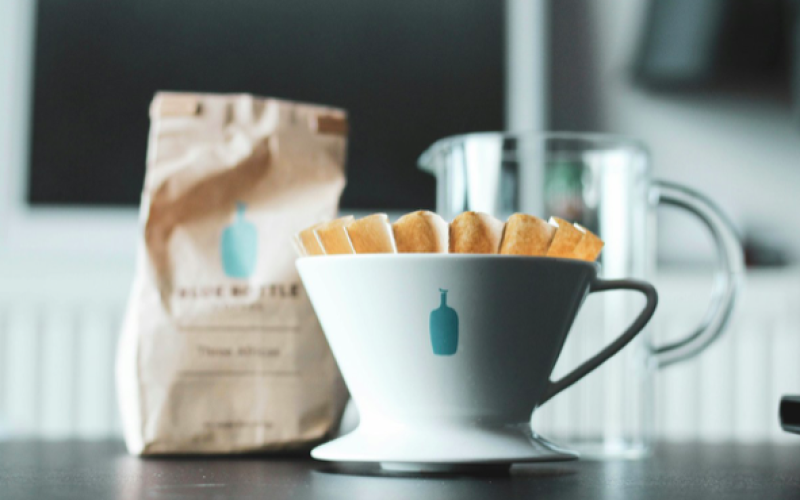
Blue Bottle Coffee Loses Trademark Case: Court Finds No Likelihood of Confusion with Blue Brew
Blue Bottle Coffee, deeply ingrained in people's minds with its minimalist small blue bottle image, has always been regarded as the Apple of the coffee world, and its blue-and-white colored utensils are also highly sought after by fans. However, the brand has not had a smooth journey in trademark enforcement. This week, Blue Bottle Coffee lost a trademark lawsuit in the United States, as a judge in the Federal District Court for the Northern District of California denied its motion for judgment against the coffee utensil brand Blue Brew, finding that the two trademarks are clearly different and that consumers would not be confused. What impact will this ruling have on Blue Bottle Coffee's trademark protection strategy? Let's take a closer look. [more…]
Starbucks Accused of Over 500,000 Scheduling Violations in New York, Settles Labor Lawsuit for $38.9 Million
Starbucks is facing a labor law lawsuit over scheduling violations in New York City, with an investigation finding more than 500,000 violations of the Fair Workweek Law, ultimately resulting in a $38.9 million settlement. The case involved more than 15,000 employees, making it the largest worker rights settlement in New York City history. Starbucks was accused of failing to provide stable schedules, cutting hours, and refusing overtime, making it difficult for employees to make a living, while the company said the settlement was intended to ensure compliance rather than to recover unpaid wages. Front Street Coffee brings you the full story. [more…]
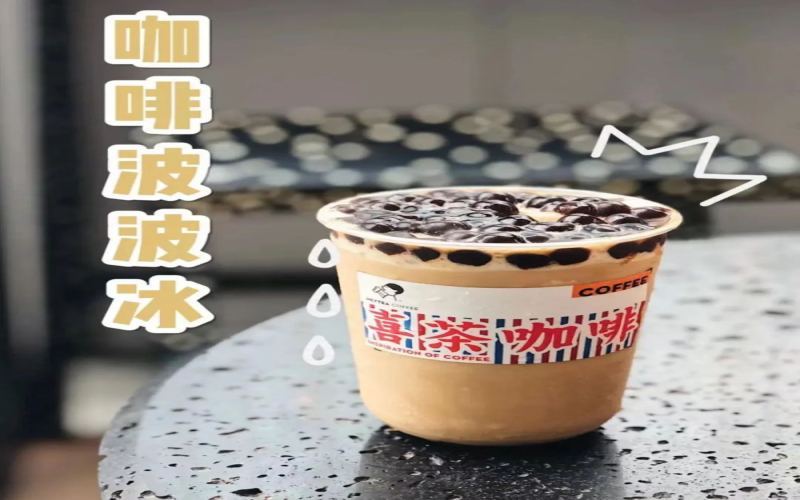
HEYTEA Coffee's trademark registration was rejected due to deceptiveness and similarity, and its lawsuit against the China National Intellectual Property Administration also failed.
In 2019, Heytea made a cross-industry foray into coffee products, blending milk tea elements into coffee and applying to register the "Heytea Coffee" trademark. However, the China National Intellectual Property Administration deemed the trademark deceptive and similar to the cited trademark "Xicha," rejecting the registration application. Heytea's affiliated company disagreed and sued the China National Intellectual Property Administration. The court of first instance upheld the rejection decision, finding that the disputed trademark could easily mislead the public about the characteristics and quality of the goods and cause confusion with another party's prior trademark. This article reviews the case process and the court's key rulings, for coffee enthusiasts to learn about brand trademark protection developments. [more…]
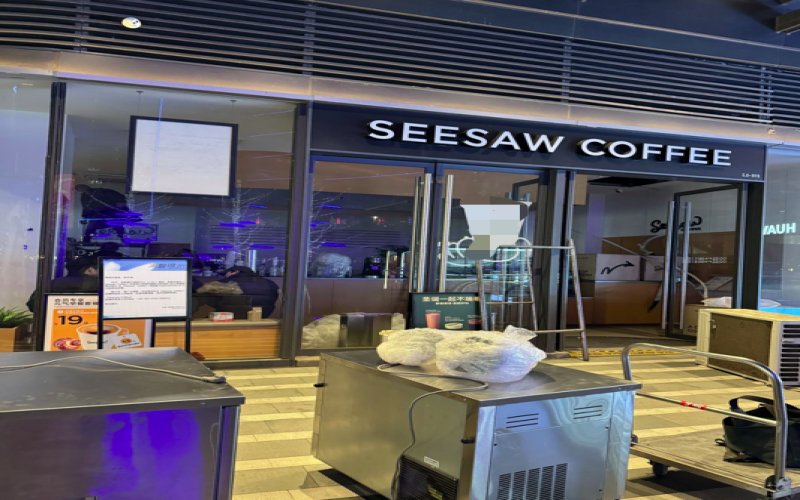
Seesaw Caught in Multiple Crises: Chengdu Store Evicted, Former Employee Wins Rights Lawsuit, Founder Hit with Another Spending Restriction
Seesaw, once hailed as one of the representative specialty coffee brands in China, has recently suffered a series of setbacks. Its last store in Chengdu was evicted after the shopping mall terminated the lease early; employees exposed illegal dismissals and successfully defended their rights through legal channels; and the founder was once again subject to high-consumption restrictions due to contract disputes, while the company's equity was frozen and debts were enforced through the courts. A stream of negative news has plunged this coffee brand, once favored by capital, into its darkest hour. This article will sort through the sequence of events and present the operational and legal difficulties Seesaw currently faces. [more…]
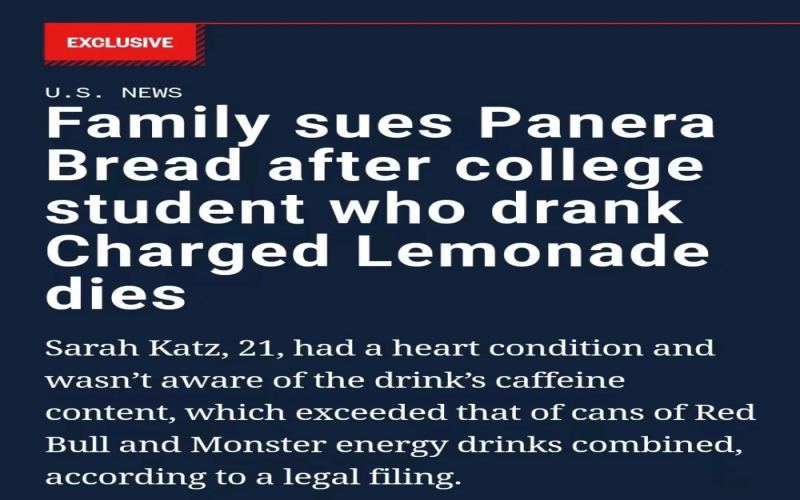
One Cup of Lemonade Causes Cardiac Arrest? Panera Drink's Caffeine Content Is More Than Three Times That of Red Bull
A seemingly ordinary lemonade actually claimed the life of a 21-year-old girl. In September 2023, University of Pennsylvania student Sarah Katz drank a beverage called "Charged Lemonade" while dining at Panera Bread, and just hours later, she tragically passed away from cardiac arrest. Her parents recently filed a lawsuit against Panera, alleging that the product contained an alarming amount of caffeine—260mg for a small cup and 390mg for a large cup, far exceeding the content of a can of Red Bull. What is even more concerning is that this drink was marketed as a "clean plant-based beverage," which led Sarah, who had a heart condition, to let her guard down. This incident has once again sounded the alarm about caffeine intake safety. [more…]
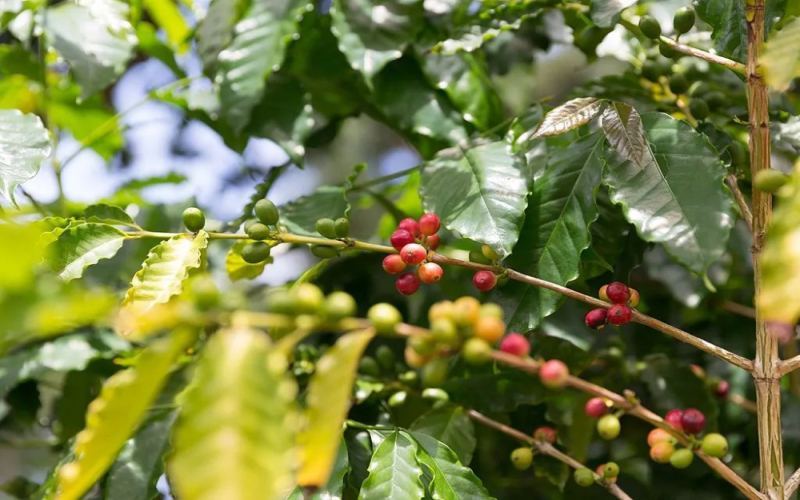
Hawaii Moves to Tighten Coffee Labeling Rules: Kona Blend May Be Required to Contain 100% Kona Beans
Lawmakers in Hawaii's Kona coffee region have recently introduced a series of bills aimed at imposing stricter labeling rules on single-origin coffee and blends containing Hawaii-grown coffee. The core change in the proposals is that the proportion of coffee from a designated region in a blended product would need to rise from the current 25% to 100%, multi-region Hawaii coffee blends would have to list the proportion of each region one by one, and when Hawaii coffee is blended with coffee from other countries, the percentage and Hawaii origin information would also have to be labeled. Accompanying bills also set out enforcement mechanisms, with a proposed fine of $10,000 for each violation. Behind this move is the labeling reform effort that Kona coffee growers and lawmakers have continued to push since 2015, as well as the legal foundation established by a class-action lawsuit involving giants such as Walmart, Amazon, and Costco. [more…]
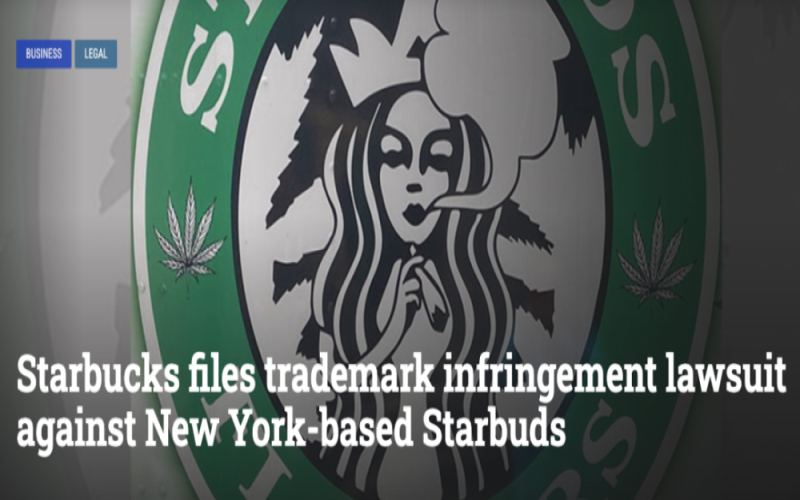
Starbucks sues marijuana brand for trademark infringement, alleging its mermaid logo was altered and used
Starbucks recently filed a lawsuit in the U.S. District Court for the Southern District of New York against a cannabis company called Starbuds Flowers, accusing it of intentionally imitating its classic mermaid trademark and misleading consumers by exploiting the Starbucks brand's reputation. In the complaint, Starbucks compared the similarities between the two logos point by point, noting that Starbuds not only used the similar design on its mobile sales trucks and official website, but also printed it on cigarettes and cannabis products. Starbucks is asking the court to prohibit the other party from continuing to use the logo, destroy the related products, and disgorge the profits obtained from the infringement. In fact, Starbucks had already sent a cease-and-desist letter as early as last August and subsequently sent multiple takedown notices, but received no response. As of July 2, Starbuds' sales trucks and website were still in operation. [more…]
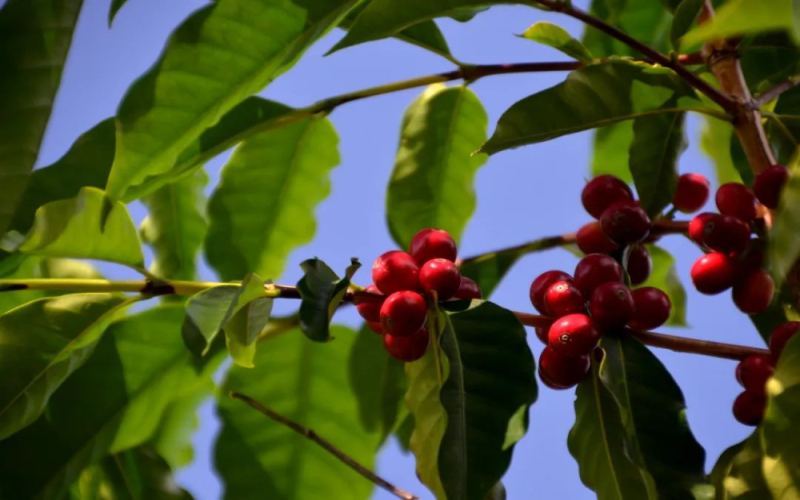
New Hawaii Coffee Labeling Rules Take Effect in 2027: Content Threshold Raised to 51%, Prices May Drop by 20%
Hawaii's Bill 198, set to take effect in 2027, will dramatically raise the minimum local bean content for coffee labeled with the names of Hawaii's various growing regions from 10% to 51%. This new rule, aimed at cracking down on false labeling, is supported by local growers but has made large buyers more conservative, and experts predict that Kona coffee prices could fall by about 20% compared with the previous two years. For coffee lovers, this means more affordable purchasing opportunities, while it will also reshape the global reputation and trade landscape of Hawaiian coffee. [more…]
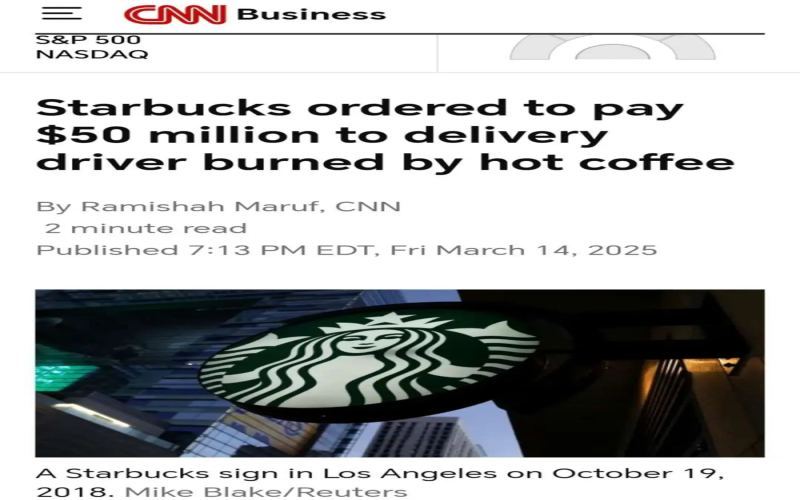
Starbucks hot drink cup lid not secured causes delivery driver third-degree burns, California jury awards 360 million yuan in damages
A hot beverage accidentally tipping over from a cup holder inflicted irreversible physical and psychological trauma on an ordinary delivery worker. A California jury recently ruled that Starbucks must pay up to $50 million in damages, a total that could climb to $60 million when interest and attorney fees are included. At the heart of the case is the question of who should bear the duty of ensuring safety during the beverage handoff. Surveillance footage, medical records, and the conflicting accounts of both sides together paint the picture of a years-long legal tug-of-war. This article lays out the full sequence of events, the injured person's condition, the basis for the ruling, and Starbucks' response and intention to appeal, guiding you through this consumer safety lawsuit that has drawn widespread attention. [more…]